
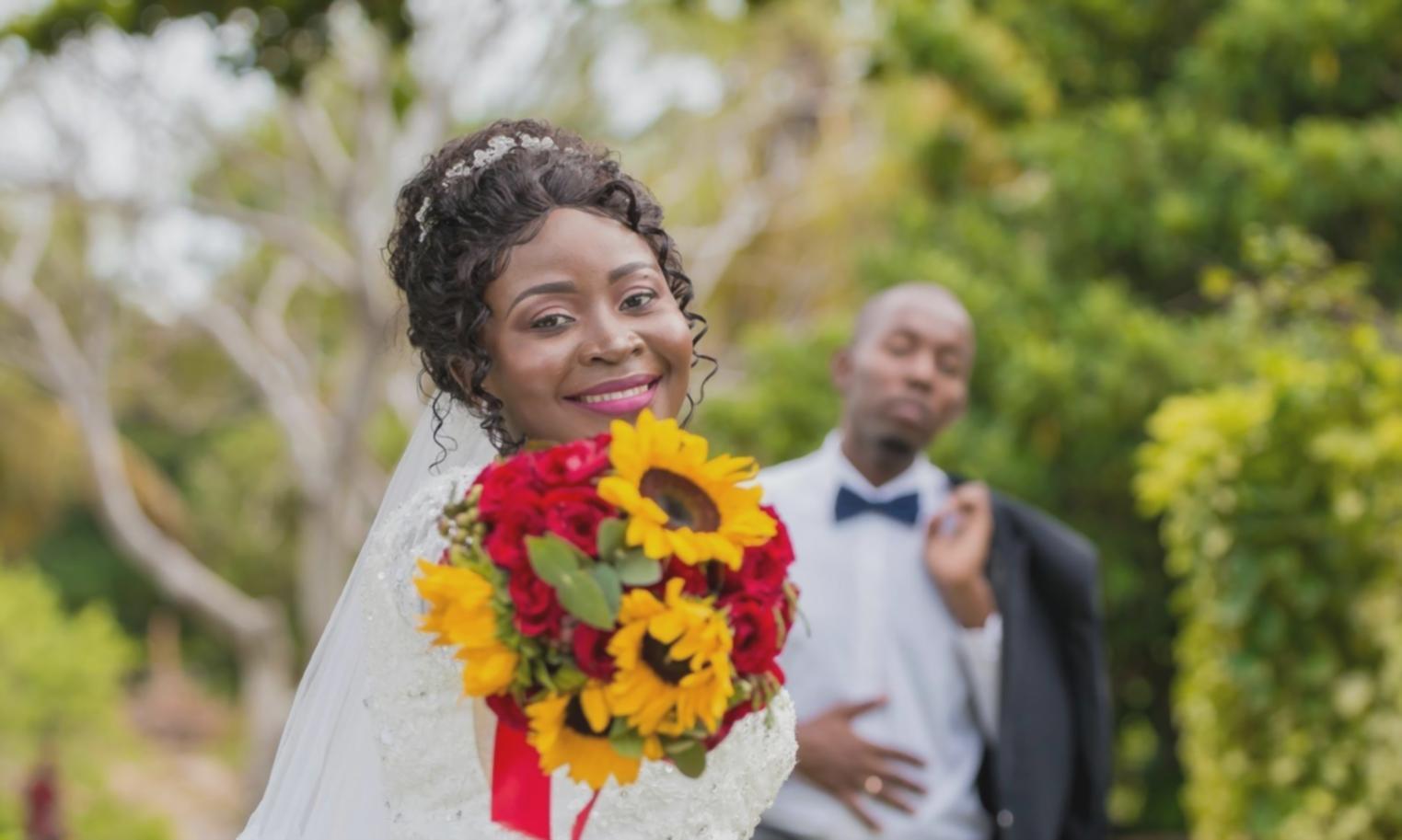
What does color harmony actually mean in practice?
Olena Marchuk, a second-year floral design student from Lviv, spent weeks wondering why her bouquets looked technically correct but somehow off. She was placing flowers in the right positions, cutting stems at proper angles, yet something felt unresolved. Her tutor pointed to one thing: she was ignoring the color temperature of each bloom. Warm reds next to cool purples created visual tension instead of flow.
What changed when she studied the color wheel seriously?
Olena started mapping every arrangement to either analogous or complementary schemes before touching a single flower. She tested a triadic palette using orange dahlias, violet lisianthus, and yellow solidago. The result felt intentional rather than accidental.
Key questions students ask about this topic
Can I mix warm and cool tones? Yes, but one temperature should dominate. How many colors in one arrangement? Three to five works well for most compositions.
One takeaway worth remembering
Color theory is a framework, not a formula. Use it as a starting point, then trust what you see.