
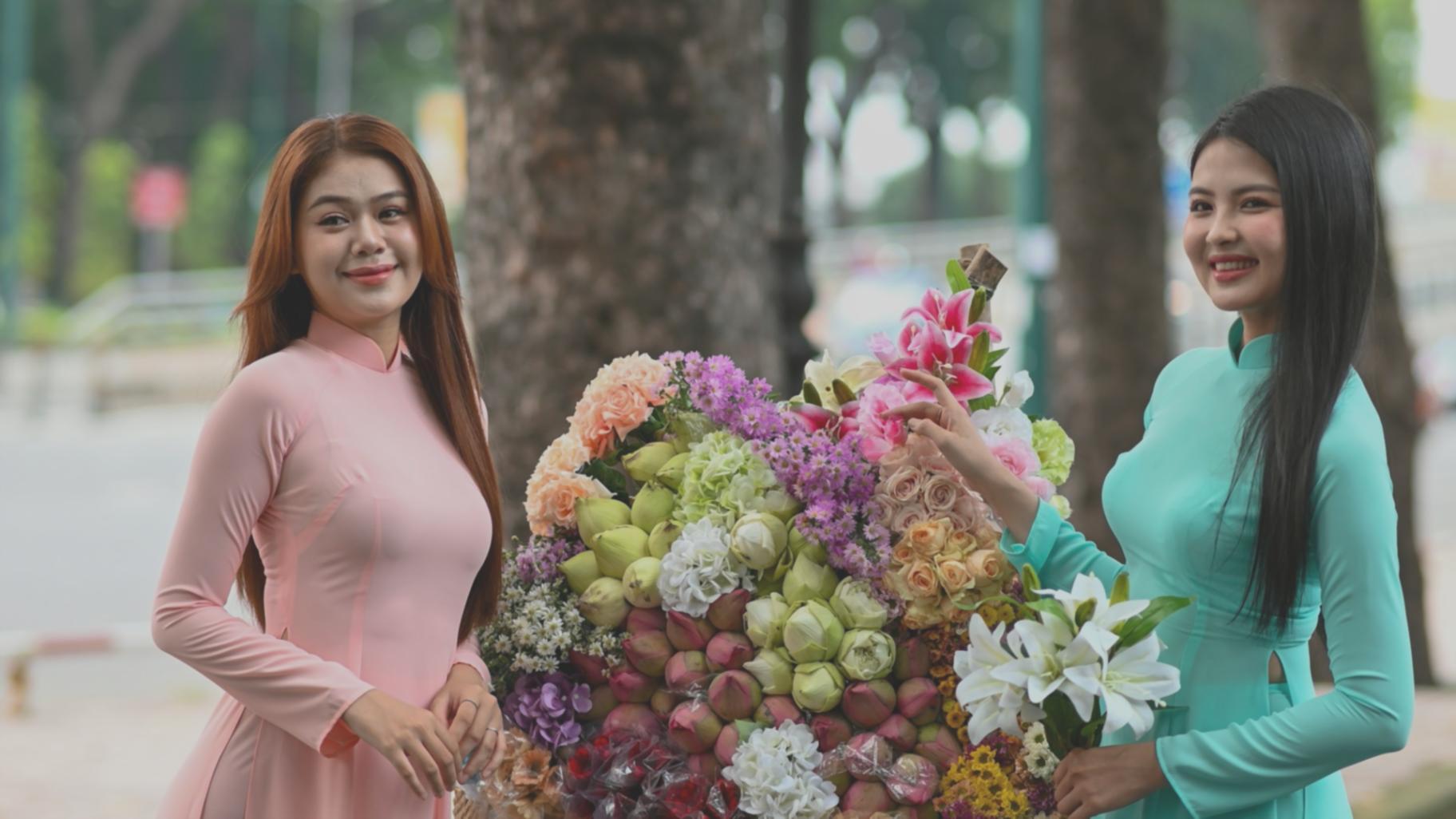
Seasonal Color Palettes: Building Bouquets That Feel Right for the Time of Year
About This Webinar
Color does not work the same way in January and July
Seasonal light changes how colors read. A deep burgundy peony that looks rich and warm in October can feel heavy and strange under the flat gray light of February. This is not a minor detail — it is one reason why bouquets that photograph beautifully in one season look off in another, even when the color palette seems similar on paper.
This webinar is built around that specific problem: understanding how season affects color perception, and how to choose palettes that actually work in the light and context where they will be seen.
What gets covered
We start with the concept of color temperature in relation to seasonal light — not in abstract terms, but with side-by-side photos of the same flowers shot in different seasons. The visual difference is usually enough to make the point clearly.
From there, the session moves into practical palette-building for each season, using flowers that are genuinely available rather than idealized lists that ignore supply realities in Ukraine.
Specific topics in the session
- Warm versus cool palettes and how seasonal light shifts the way they are perceived
- Spring: working with soft, high-value hues without producing arrangements that look washed out
- Summer: managing saturation when flowers are bold and the ambient light is bright
- Autumn: depth without heaviness — using contrast to keep rich tones from feeling flat
- Winter: how to create warmth with a limited palette and fewer fresh flower options
- Mixing in dried and preserved elements without breaking the color logic
A realistic look at limitations
Some flowers are available year-round from suppliers, but they do not always behave like their seasonal counterparts. Roses imported in December do not carry the same visual weight as garden roses in June. We talk about how to account for that gap rather than ignore it.
Practical exercises
The second half of the session includes two palette-building exercises. Participants work with a set of flower options for a given season and assemble a cohesive palette on screen. The instructor reviews selected results and explains the reasoning behind adjustments.
Session led by Olena Savchuk, floral designer and educator based in Lviv, with a background in event floristry and floral styling for editorial photography.
Recording and materials
A full recording is available after the session. Participants also receive a seasonal flower-to-color reference guide covering common Ukrainian market availability by month.
Session Program
-
- Introduction: seasonal light and color perception
- How the angle and quality of natural light in different seasons changes the way the same color reads — with photographic examples.
-
- Color temperature as a seasonal tool
- Warm and cool tones defined in practical terms. How to use temperature deliberately rather than by accident.
-
- Spring palettes: softness without losing structure
- Common mistakes with pastel-heavy arrangements and how to keep them from looking undefined. Flower examples: tulips, ranunculus, sweet peas, muscari.
-
- Summer palettes: saturation management
- How to work with intense colors — dahlias, sunflowers, zinnias — without the arrangement feeling chaotic. The role of contrast and quiet anchors.
-
- Autumn palettes: depth and warmth
- Using analogous warm schemes. When to introduce a cooler accent and when to avoid it. Real bouquet breakdowns.
-
- Winter palettes: working with less
- Limited fresh flower availability in winter and how to build palettes around it. Evergreen foliage, berries, dried textures — color logic still applies.
-
- Exercise: seasonal palette audit
-
Participants receive three bouquet photos and identify which season they belong to — and why.Olena Savchuk
-
- Live palette building: two seasonal briefs
- Guided group exercise where participants select flowers and arrange a palette for a given season and occasion. Group discussion of results.
-
- Q&A and individual feedback
- Open questions and optional feedback on participant-submitted bouquet photos sent in advance.
Studying floral art theory online
Floral composition is built on principles that take time to absorb — proportion, colour harmony, negative space, seasonal rhythm. Each of these ideas connects to others, and understanding them as a system rather than a checklist makes a real difference to your work.
Online formats let you revisit material at a speed that fits your schedule. Gulskav structures its webinars so each session covers one principle in depth rather than skimming across a broad topic. You leave with a concrete idea to apply, not a list of things to read later.
The practical side of floral theory is often overlooked in general tutorials. Sessions at Gulskav include worked examples drawn from real arrangements — specific flower families, container proportions, and light conditions that shift how a composition reads.
Students from Mykolaiv and surrounding areas have found the format especially practical — no travel involved, and the material stays accessible after the session for review at your own pace.